



Consult Licensed Providers. Start Treatment At Home.
Weight Loss
Wegovy®, Semaglutide
Zepbound®, Tirzepatide

Anti-Aging
Vitamins & Amino Acids
HGH
Brain Focus
Concentration & Anxiety
Modafinil & Beta Blockers

Food & Gut Allergies
Discover What's Irritating
Your Gut with an At-Home Test
Parasites
Antiparasitics & Antibiotics
Intestinal & Liver Cleanse

Hair Restoration
Repair Scalp Damage
Vascularize Hair Follicles
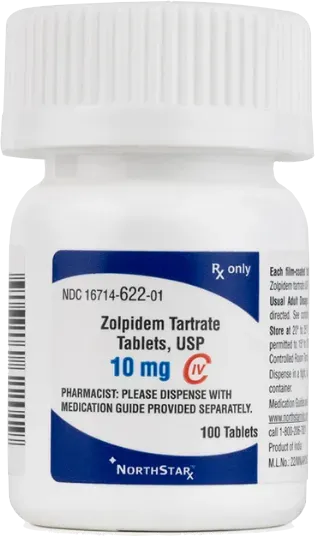
Sleep
Medical Sleep Support for
Deeper, More Consistent Rest
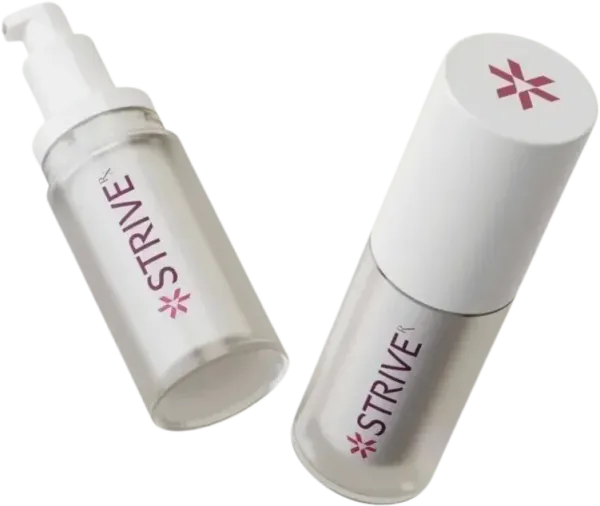
Skincare
Target Wrinkles, Rosacea,
Eczema, & Acne Scars
Blood Work
Check Hormones, Allergies, Biological Age, & Organ Health

Gooning~Sex
Sildenafil, Tadalafil, Oxytocin
PT-141, Apomorphine
Peptides
Fast-acting compounds for targeted wellness support.

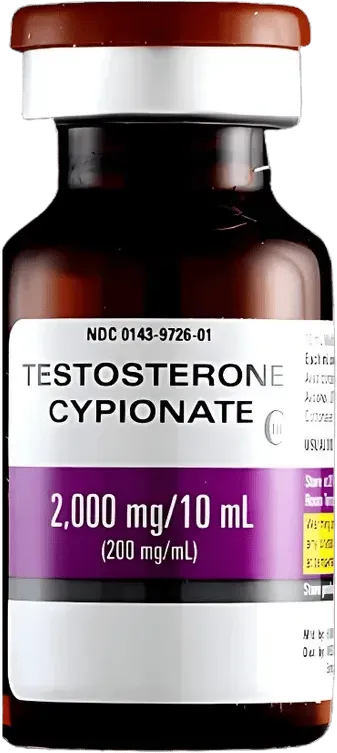
Testosterone
Nandrolone Decanoate, hCG
Oxandrolone, Cypionate,
Enanthate
Feel Lighter
Lose weight with
Semaglutide

From $120
Lose weight with
Tirzepatide

From $250
Increase Energy with NAD+
Vitamins
Daily wellness support
COMING SOON
Discover
Amino Acids
COMING SOON
Support Your Weight Loss Journey

Free Consultations
Direct Text With Medical Practitioner
No Monthly Fees
503B Compounding Pharmacy Ships Directly To Patients’ Homes
TEXT (323) 283-9219
Our compounded semaglutide is prescribed by licensed medical providers and prepared by a licensed 503B pharmacy.
Our compounded tirzepatide is prescribed by licensed medical providers and prepared by a licensed 503B pharmacy.
How Weight Loss Works
Gentle metabolic support designed to work with your body.
Supports appetite regulation
Encourages fullness
Reduces cravings
Supports blood sugar signaling
Supports appetite regulation
Encourages fullness
Reduces cravings
Supports blood sugar signaling
Increases nutrient absorption
Decreased taste and pleasure of food
Increases nutrient absorption
Decreased taste and pleasure of food
Semaglutide is a GLP-1 receptor agonist that helps regulate appetite and blood sugar signaling.
Individual results may vary.

Affordable Weight Loss

FDA-Approved Brand-Name GLP-1
$1500/ month | Requires insurance approval | Long wait times | Pharmacy pickup required | Often out of stock
✅ Compounded Semaglutide and Tirzepatide
Starts at $250/month | No wait time | Free consultation included | No insurance needed | Ships to your door | Licensed 503B pharmacy | Ongoing medical supervision
Interested in Prescription Peptides?
Peptides are short chains of amino acids that signal your body to repair and recover. Learn the science behind them.

Interested in Prescription Peptides?
Peptides are short chains of amino acids that signal your body to repair and recover. Learn the science behind them.
Explore by Rx Treatment
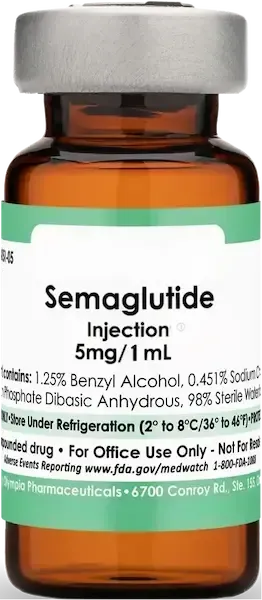
Semaglutide
GLP-1 receptor agonists increase insulin
secretion, decreasing glucagon secretion, &
delaying gastric emptying
✅ Decreases hunger & cravings
✅ Slows gastric emptying for fullness
✅ Decreased superficial & visceral fat
Consultation & care coordination included
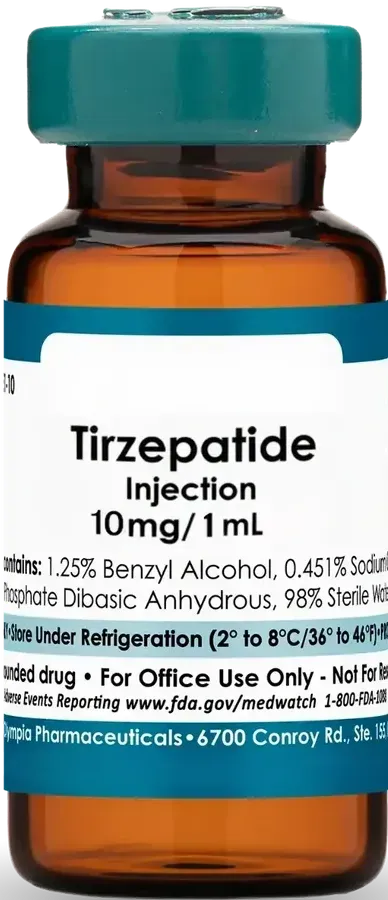
Tirzepatide
Dual GIP & GLP-1 agonist increases insulin
sensitivity, decreases glucagon secretion, &
delays gastric emptying
✅ Targets two hunger hormones at once
✅ Reduces food noise & cravings
✅ Weekly injection, easy to follow
Consultation & care coordination included
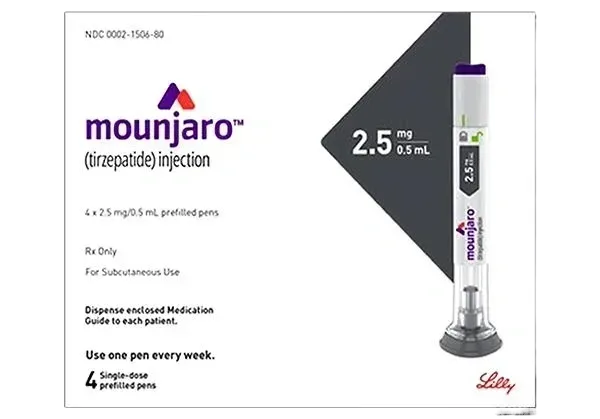
Mounjaro
Brand-name tirzepatide. FDA-approved dual GIP & GLP-1
✅ FDA-approved
✅ Most powerful dual-agonist
✅ Easy to use pen
Consultation & care coordination included
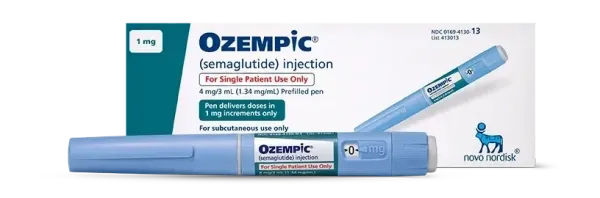
Ozempic
The brand-name semaglutide pen.
Convenient, pre-filled, and easy to use
✅ Pre-filled, easy-to-use pen device
✅ Consistent weekly dosing
✅ FDA-approved
Consultation & care coordination included
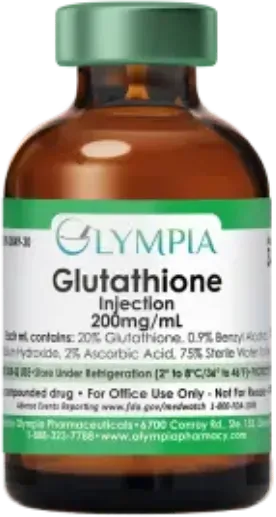
Glutathione
Reduces intestinal oxidative stress
and supports liver detox
✅ Protects gut lining
✅ Brighter, clearer skin tone
✅ Boosts immune defense and recovery
Consultation & care coordination included
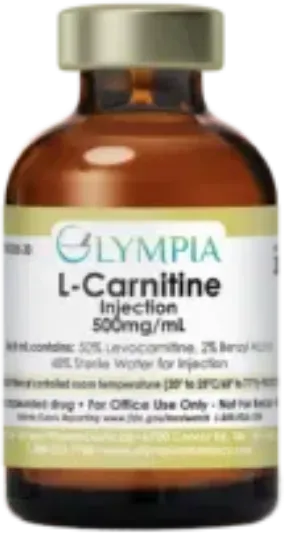
Carnitine
Shuttles fatty acids into mitochondria
for energy and fat oxidation
✅ Turn stored fat into fuel
✅ Enhance endurance and recovery
✅ Upregulate androgen receptor density
Consultation & care coordination included
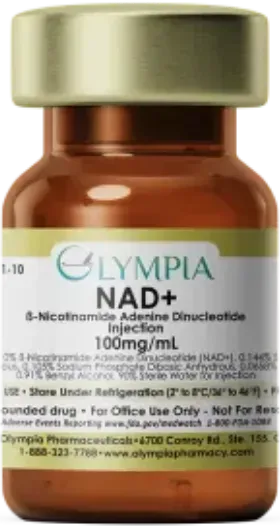
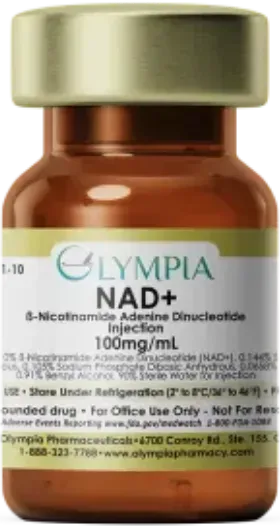
NAD+
Fuels cellular energy production & DNA
repair in every cell
✅ Recharge your cells from within
✅ Sharper focus, sustained energy
✅ Slow aging at the cellular level
Consultation & care coordination included
Sermorelin
Synthetic growth hormone-releasing peptide
that stimulates the pituitary gland
✅ Deeper sleep & faster recovery
✅ Improved energy & lean muscle
✅ Supports joint health
Consultation & care coordination included
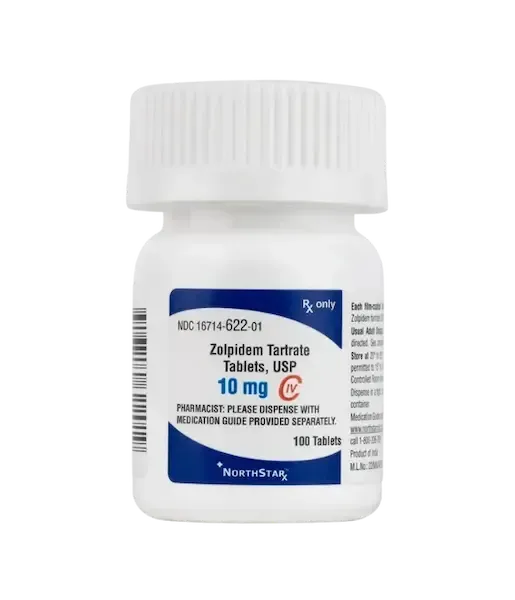
Zolpidem
Non-benzodiazepine sedative binds to GABA
receptors for rapid sleep onset
✅ Fall asleep in 15 minutes
✅ Full night of restorative sleep
✅ Wake refreshed, no grogginess
Consultation & care coordination included
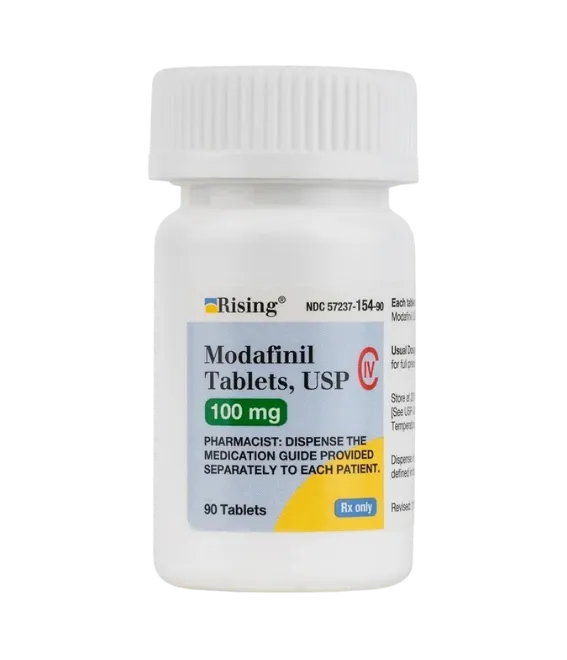
Modafinil
Wakefulness-promoting nootropic that
enhances cognitive performance
✅ Razor-sharp focus
✅ No jitters, no crash
✅ Unlock peak mental performance
Consultation & care coordination included
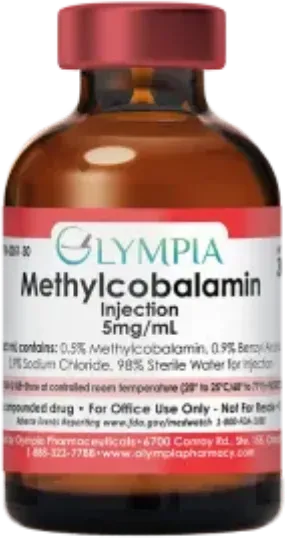
Vitamin B12
Methylcobalamin, the bioactive form of B12
✅ Boosts energy & reduces fatigue
✅ Supports brain clarity
✅ Promotes red blood cell production
Consultation & care coordination included
Testosterone & hCG
Testosterone Cypionate & Pregnyl (hCG)
Gold Standard for TRT Optimization
✅ Increase total testosterone levels
✅ Maintain natural sperm production
✅ Improve energy, libido, & mood
includes Pregnyl (hCG)
Consultation & blood work required
TRT Blood Work
Baseline labs for TRT diagnosis:
Total Testosterone, PSA, CBC
✅ Quest Diagnostics
✅ Prostate screening
✅ Assess Liver & Kidney function
Lab order and results review included
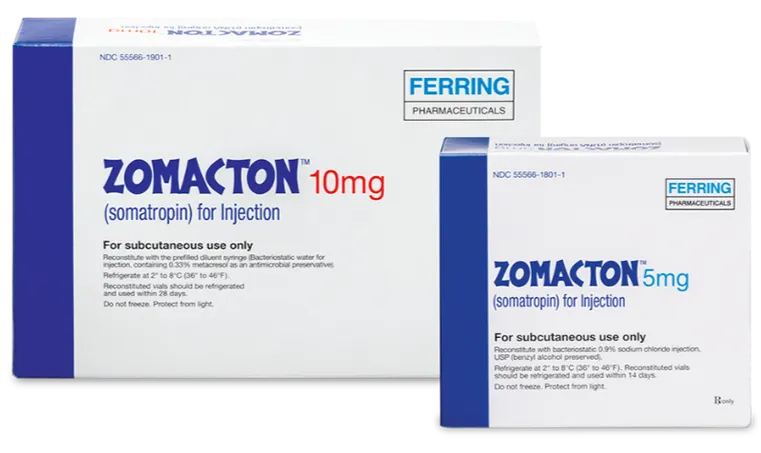
Zomacton®
FDA-approved somatropin
Growth Hormone Deficiency
✅ Restores GH-IGF-1 axis
✅ Supports lean mass & bone mineral density
✅ Regulates protein synthesis + cellular turnover
Consultation & blood work required
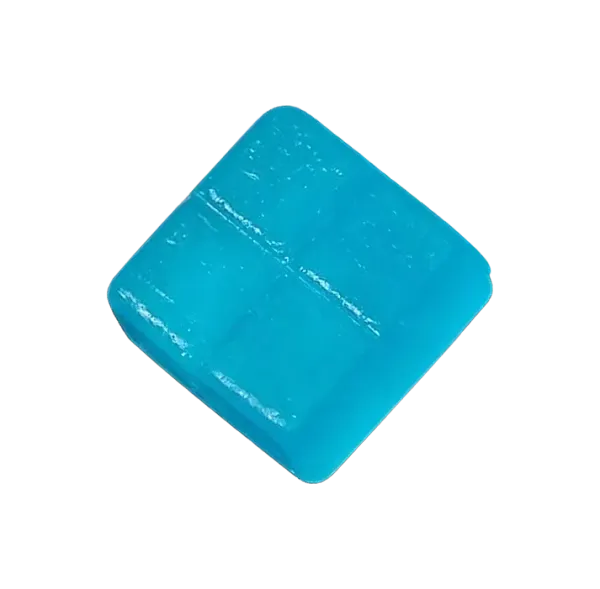
Gooning
Tadalafil + Oxytocin + PT-141
Ultimate Performance
✅ Tadalafil for erections
✅ Oxytocin for sexual desire
✅ PT-141 for horniness
Consultation & care coordination included
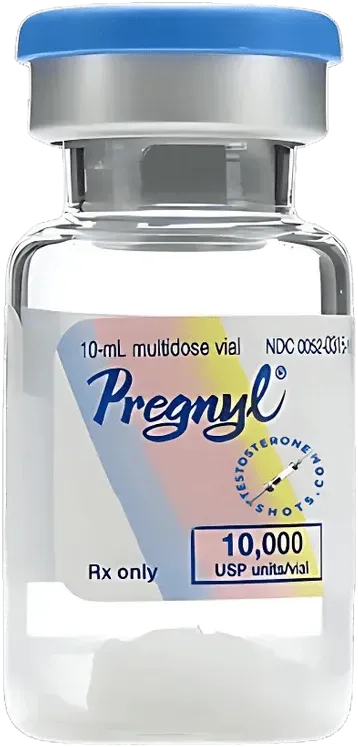
Pregnyl (hCG)
FDA-approved brand-name human chorionic gonadotropin
✅ Mimics luteinizing hormone (LH)
✅ Increase sperm quantity & quality
✅ Supports testosterone production
Consultation & care coordination included
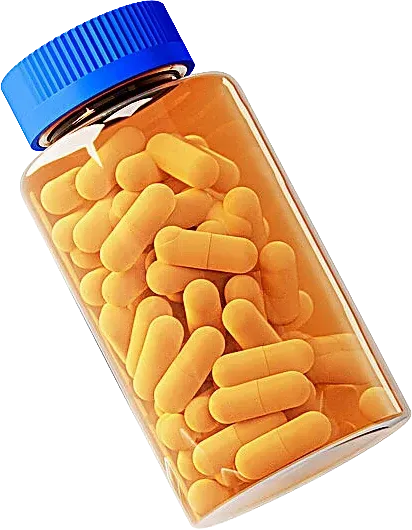
T-Booster
4 in 1: Enclomiphene + DHEA
Pregnenolone + Zinc
✅ Boost natural testosterone
✅ Balance hormones
✅ Increase energy, libido, & mood
Consultation & care coordination included
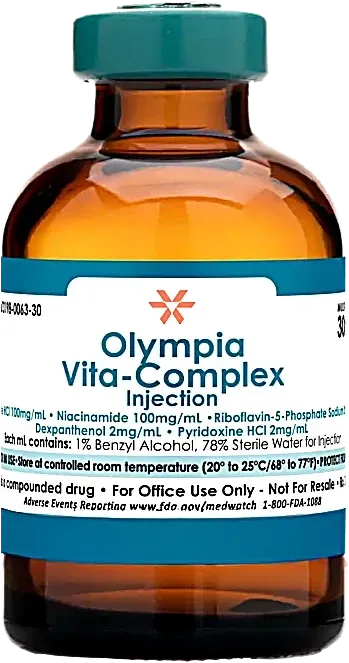
Vitamin B-Complex
Vitamins: Thiamine + Riboflavin + Niacinamide
Dexpanthenol + Pyridoxine
✅ Natural energy & reduced fatigue
✅ Eliminate brain fog & improve mood
✅ Healthier hair, skin, & nails
Consultation & care coordination included
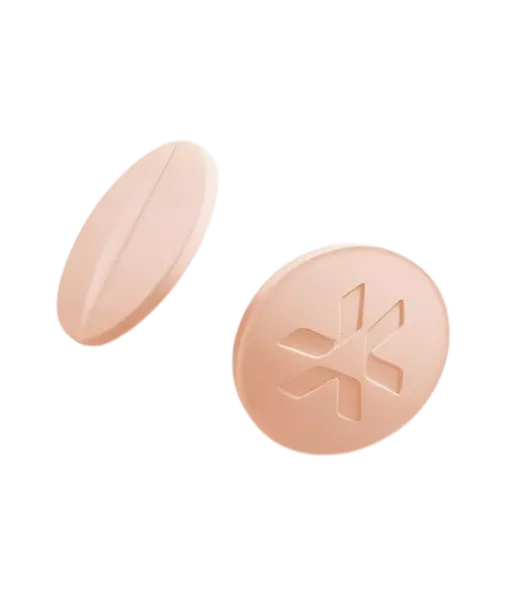
NAD+ Sublingual
Vitamin B3-derived coenzyme
Boosts mitochondrial ATP production
✅ Sustained cellular energy & longevity
✅ Detox & DNA repair
✅ Improved cognitive clarity & mood
Consultation & care coordination included
Stella +
4-in-1: Estriol + GHK-Cu
Niacinamide + Tretinoin
✅ Reverse fine lines and wrinkles
✅ Restore collagen and skin elasticity
✅ Achieve brighter & firmer skin
Consultation & care coordination included
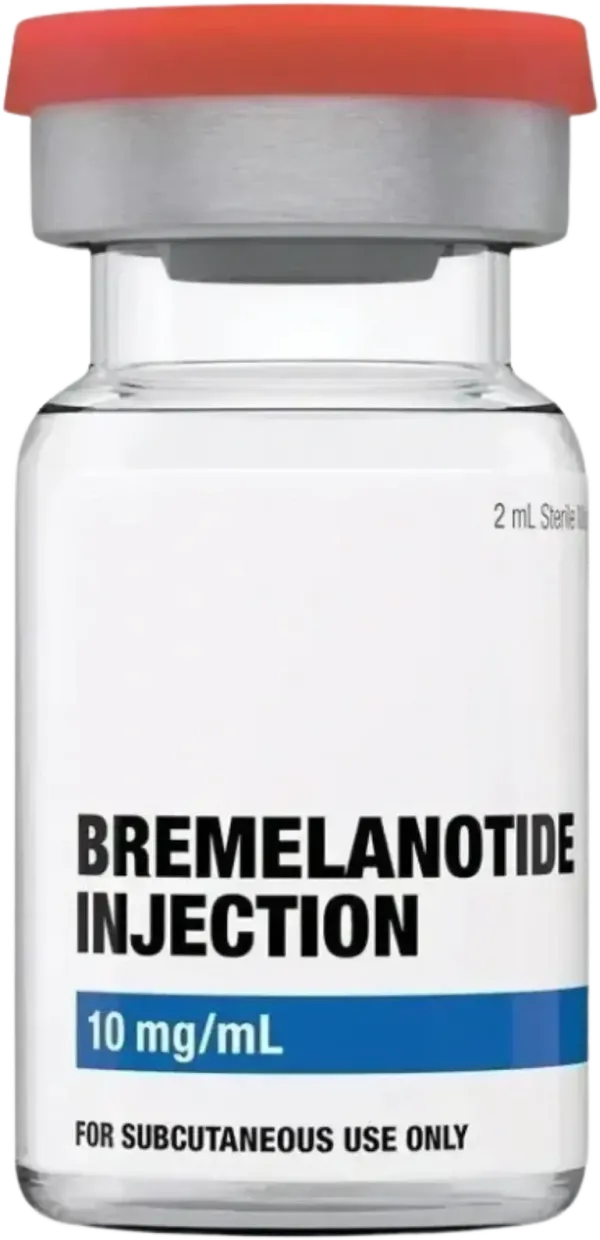
PT-141
Sexual desire & arousal activated via central nervous system
✅ Boost horniness and sensitivity
✅ Works for men and women
✅ Effects last up to 72 hours
Consultation & care coordination included
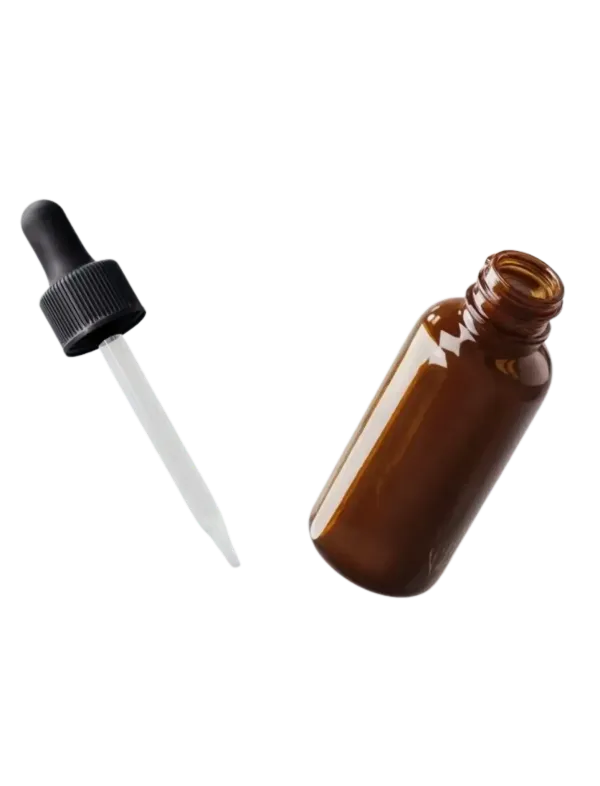
Minoxidil + Finasteride
Finasteride blocks DHT
Minoxidil stimulates regrowth
✅ Stop thinning at the root cause
✅ Visible regrowth
✅ Two proven ingredients, one protocol
Consultation & care coordination included
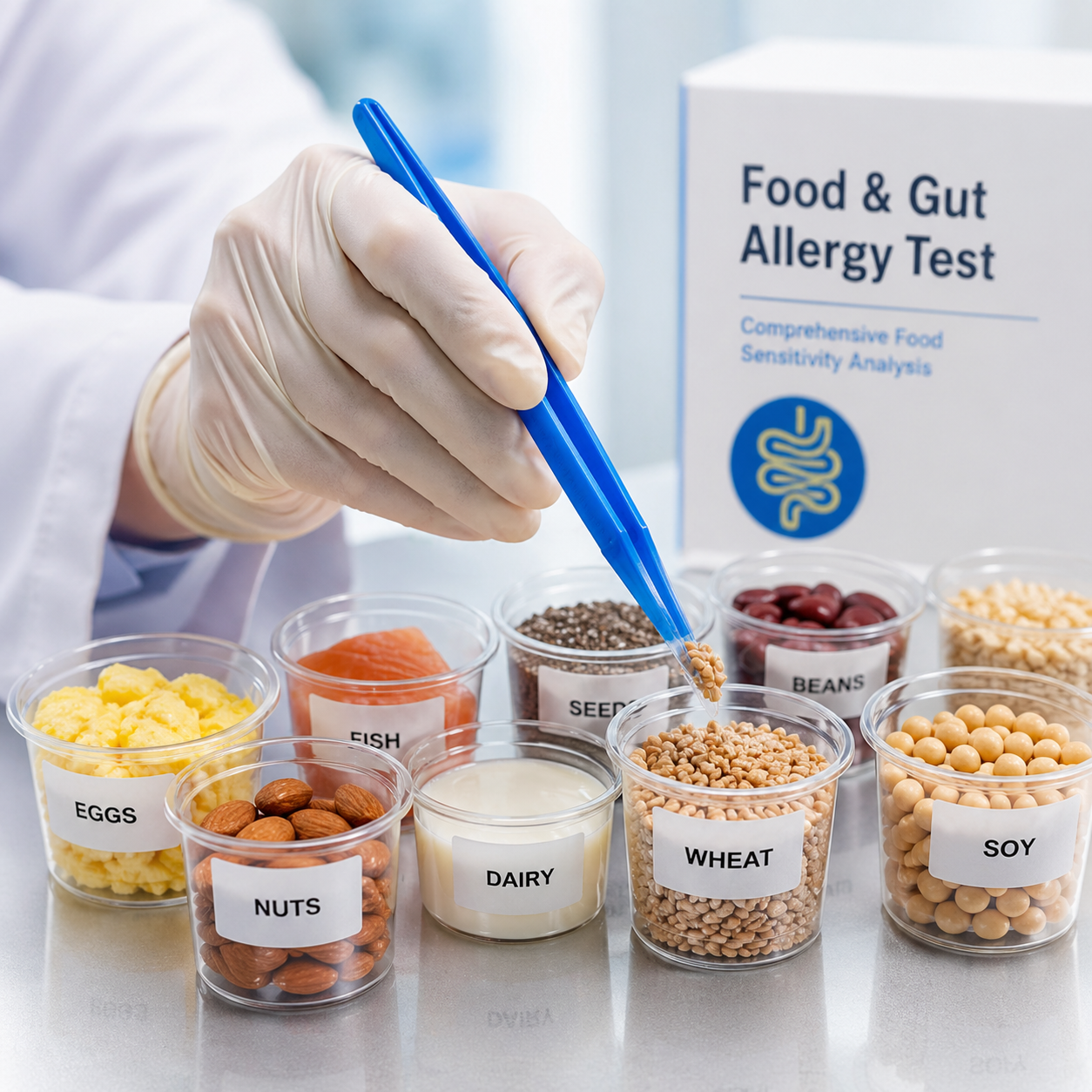
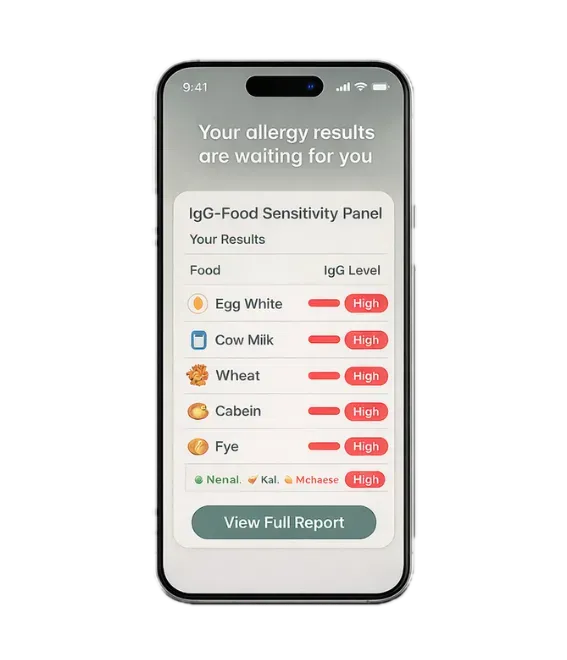
Food & Gut Allergy
Hidden triggers behind bloating, fatigue,
brain fog, joint pain, and skin flares that show
up hours or days after eating
✅ At-home finger-prick kit
✅ Meat, Fish, Dairy, Eggs, Nuts, Seeds, Oils
✅ Vegetables, Legumes, Fruit, Grain, Spices
Includes provider order & results review
Tadalafil Sublingual
Dissolved under the tongue for faster absorption
✅ Absorbs in minutes, not hours
✅ Lasts up to 36 hours
✅ Be ready when the moment hits
Consultation & care coordination included
Semaglutide
GLP-1 receptor agonists increase insulin
secretion, decreasing glucagon secretion, &
delaying gastric emptying
✅ Decreases hunger & cravings
✅ Slows gastric emptying for fullness
✅ Decreased superficial & visceral fat
Consultation & care coordination included
Tirzepatide
Dual GIP & GLP-1 agonist increases insulin
sensitivity, decreases glucagon secretion, &
delays gastric emptying
✅ Targets two hunger hormones at once
✅ Reduces food noise & cravings
✅ Weekly injection, easy to follow
Consultation & care coordination included
Mounjaro
Brand-name tirzepatide. FDA-approved dual GIP & GLP-1
✅ FDA-approved
✅ Most powerful dual-agonist
✅ Easy to use pen
Consultation & care coordination included
Ozempic
The brand-name semaglutide pen.
Convenient, pre-filled, and easy to use
✅ Pre-filled, easy-to-use pen device
✅ Consistent weekly dosing
✅ FDA-approved
Consultation & care coordination included
Glutathione
Reduces intestinal oxidative stress
and supports liver detox
✅ Protects gut lining
✅ Brighter, clearer skin tone
✅ Boosts immune defense and recovery
Consultation & care coordination included
Carnitine
Shuttles fatty acids into mitochondria
for energy and fat oxidation
✅ Turn stored fat into fuel
✅ Enhance endurance and recovery
✅ Upregulate androgen receptor density
Consultation & care coordination included
NAD+
Fuels cellular energy production & DNA
repair in every cell
✅ Recharge your cells from within
✅ Sharper focus, sustained energy
✅ Slow aging at the cellular level
Consultation & care coordination included
Sermorelin
Synthetic growth hormone-releasing peptide
that stimulates the pituitary gland
✅ Deeper sleep & faster recovery
✅ Improved energy & lean muscle
✅ Supports joint health
Consultation & care coordination included
Zolpidem
Non-benzodiazepine sedative binds to GABA
receptors for rapid sleep onset
✅ Fall asleep in 15 minutes
✅ Full night of restorative sleep
✅ Wake refreshed, no grogginess
Consultation & care coordination included
Modafinil
Wakefulness-promoting nootropic that
enhances cognitive performance
✅ Razor-sharp focus
✅ No jitters, no crash
✅ Unlock peak mental performance
Consultation & care coordination included
Vitamin B12
Methylcobalamin, the bioactive form of B12
✅ Boosts energy & reduces fatigue
✅ Supports brain clarity
✅ Promotes red blood cell production
Consultation & care coordination included
Vitamin B-Complex
Vitamins: Thiamine + Riboflavin + Niacinamide
Dexpanthenol + Pyridoxine
✅ Natural energy & reduced fatigue
✅ Eliminate brain fog & improve mood
✅ Healthier hair, skin, & nails
Consultation & care coordination included
How It Works
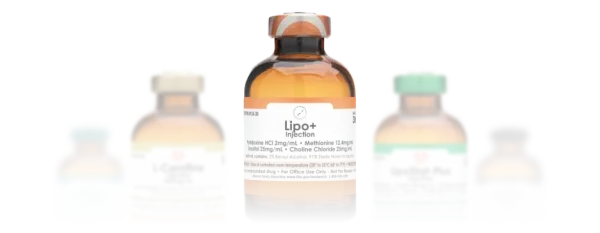
Choose a treatment
Browse a curated selection of medically guided treatments designed for real needs, not trends. Each option is clearly explained so you can make an informed choice without medical jargon or confusion.
Complete a secure medical intake
Fill out a confidential health questionnaire that helps our providers understand your medical history,
goals, and current condition. Your information is encrypted and reviewed with strict privacy standards.


Provider review & approval
A licensed medical provider reviews your intake to ensure the treatment is personalized to your goals. They may request additional details or lab work before approval.

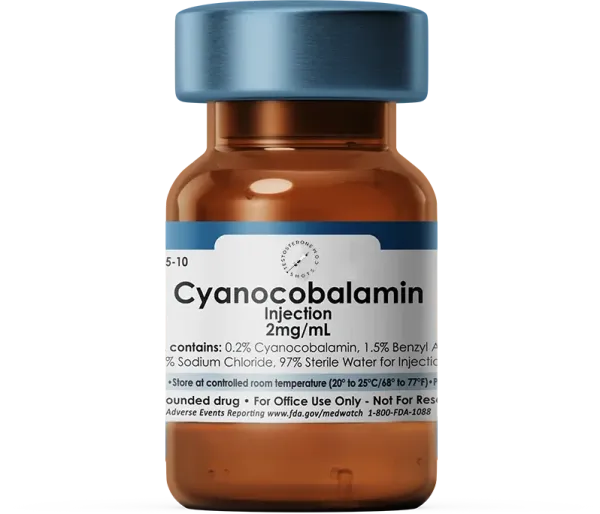
Prescription Sent to Pharmacy
Once approved, your prescription is sent to a licensed pharmacy for fulfillment. The pharmacy will prepare and ship your medication discreetly to you, fitting seamlessly into your routine.
Private. Simple. Delivered.
COMPLETE QUESTIONNAIRE
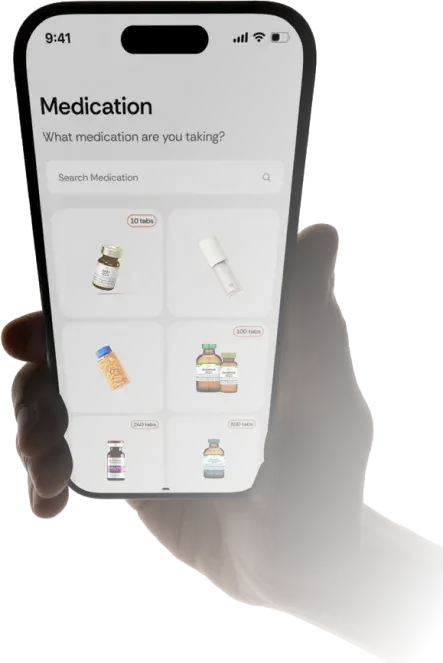
Begin Weight Loss Journey Eligibility Quiz
SCHEDULE CONSULTATION

Free Zoom Consultation with Medical Provider
HOME DELIVERY

Pharmacy Ships Medications Discreetly
Trust & Compliance
HIPAA-Compliant Platform
We use secure, HIPAA-compliant systems to protect your personal and medical data at every step, from intake forms to ongoing care. Your information is never shared without authorization.
Licensed Medical Providers
All treatments are reviewed and approved by licensed medical professionals who follow
established clinical guidelines and regulatory requirements.
Partner Licensed Pharmacies
Prescriptions are fulfilled by licensed 503A or 503B compounding pharmacies that meet strict quality, safety, and compliance standards.
Proof, Not Promises


High Standards
Higher Ratings

Our Partners


FAQs
Everything you need to know about compounded semaglutide, tirzepatide, and GLP-1 weight loss medications. Questions about cost, eligibility, safety, dosing, and how to get started.
What Rx Treatments Do You Offer?
Semaglutide and Tirzepatide
Ozempic® and Mounjaro®
Viagra® and Cialis®
Tadalafil, Oxytocin, and PT-141
At-Home Blood Test for Gut Allergies, Environmental Allergies, and Inhalant Allergies
Quest Diagnostics Labs for Testosterone, PSA, LH, FSH, CBC, CMP, Pancreatic Enzymes, Lipid, A1C, Thyroid, and B12.
Sermorelin
Glutathione
NAD+
GHK-Cu
Methylcobalamin
MIC
Carnitine
Vitamin-B Complex
Testosterone Booster
Finasteride, Minoxidil, and Biotin
Hair and Scalp Restoration
Pregnyl
SkinCare: Acne, Rosacea, Seborrheic Dermatitis, and Eczema
Scream Cream
Tri Mix
Lysine
Proline
Ascorbic Acid
BPC 157
TB 500
What Is Semaglutide Starting Dose and Regimen?
Dosage regimen based on 5mg/1mL concentration
Initial dose 0.25mg = 5 units = 0.05mL
Week 1: 5 units
Week 2: 5 units
Week 3: 5 units
Week 4: 8 units
Week 5: 8 units
Week 6: 8 units
Week 7: 11 units
Week 8: 11 units
Week 9: 11 units
Week 10: 14 units
Week 11: 14 units
Week 12: 14 units
What Is Tirzepatide Starting Dose and Regimen?
Dosage regimen based on 10mg/1mL concentration
Initial dose 2.5mg = 25 units = 0.25mL
Week 1: 25 units
Week 2: 25 units
Week 3: 25 units
Week 4: 30 units
Week 5: 30 units
Week 6: 30 units
Week 7: 40 units
Week 8: 40 units
Week 9: 40 units
Week 10: 45 units
Week 11: 45 units
Week 12: 45 units
What Are Some Of The Benefits Of The Skinny Rich Shot®?
Supports significant weight loss in clinical studies of GLP-1 active ingredients
Inhibiting glucagon (sugar) secretion
Reduces food intake by lowering appetite
Slows food digestion in the stomach and increases the absorption of nutrients
Lose inches off the abdomen
Healthy weight loss while maintaining muscle mass and bone density
Lower HbA1c levels
Enhance the growth of ß cells in the pancreas
It is not insulin
What Are Some Contraindications Of The Skinny Rich Shot®?
People who have the following should not be taking the Skinny Rich Shot®:
Breastfeeding
Pregnant
Diabetic taking insulin
History of kidney damage
History of thyroid cancer or nodule
Severe heartburn at night
Can I Get Started Today?
Yes! If you are a new patient inquiring about our services, please fill out the appropriate questionnaire on this page.
Based on your answers, a representative will reach out to schedule a consultation to discuss your options.
Is My Medication Shipped Directly To Me?
Yes, All prescription medications are dispensed by FDA-approved 503B pharmacy in the USA and delivered directly to your home in discreet packaging
What Is Skinny Rich Shot®
Skinny Rich Shot® is a cutting-edge weight loss protocol that includes lifestyle education, prescription weight loss drugs shipped to the patient’s home, and doctor coaching throughout the entire program. Skinny Rich Shot® uses Ozempic a Glucagon-like peptide (GLP-1) produced by the gut.
What Drug Is Used In Skinny Rich Shot® Program?
The most effective weight loss drug on the market is Semaglutide, a GLP-1. Brand names are Ozempic and Wegovy.
Accept Insurance?
Unfortunately, we are a cash-only medical practice.
How Much Is Skinny Rich Shot® Program?
The Skinny Rich Shot® Program starts at $120 for the consultation and telemedicine visit with our licensed providers. Patients accepted into the program receive a complimentary prescription of three months of Ozempic, along with a syringe and needle, shipped directly to their home from a licensed 503B pharmacy. Included in the three-month program is a direct text message with a doctor and lifestyle coaching.
Who Is Eligible For The Skinny Rich Shot® Program?
Patients diagnosed with obesity or a BMI of 30 or greater may qualify for treatment. Complete the eligibility questionnaire, and one of our licensed doctors will contact you. Must be 18+ years or older to qualify.
Is The Drug Safe?
Describe the item or answer the question so that site visitors who are interested get more information. You can emphasize this text with bullets, italics or bold, and add links.
What Are The Side Effects?
Nausea, vomiting, diarrhea, constipation, bloating, dehydration, and heartburn.
How Do I Prevent Side Effects?
The recommended lifestyle change to prevent side effects is to eat a full breakfast upon awakening, eat a full lunch, drink 3 liters of water daily, avoid fake or alternative sugars, avoid processed foods, skip dinner, and stop eating after 6 pm.
What Happens If I’m Not Approved?
If a licensed medical provider determines that semaglutide is not clinically appropriate for you, you will not receive a prescription. In that case, you will not be charged for medication, and any applicable fees will be refunded according to our policy.
Are Refills Available?
Yes. Patients who are approved and complete the initial program may request refills or continuation, subject to medical review and provider approval. Ongoing treatment is not guaranteed and depends on clinical appropriateness.
Is Coaching Included?
Yes. The program includes educational guidance and lifestyle recommendations related to nutrition, activity, and medication use. This is not a substitute for in-person medical care or personalized nutrition counseling. You can Book a Consultation here.
How Are Compounded Medications Different From Brand-Name GLP-1 Drugs?
Brand-name GLP-1 medications (like Ozempic, Wegovy, Mounjaro, and Zepbound) are FDA-approved drugs that have undergone extensive clinical trials. Our compounded medications contain the same active ingredient but are NOT FDA-approved, NOT interchangeable with brand-name products, and have not independently undergone FDA clinical testing. Compounded medications are typically more affordable because they do not go through the FDA drug approval process.
Why Are Compounded Medications More Affordable?
Compounded medications are more affordable because they do not go through the FDA drug approval process, do not carry brand-name marketing costs, and are prepared by 503B compounding pharmacies. This lower cost reflects the non-FDA-approved status of compounded medications and the different regulatory pathway they follow. They are NOT equivalent to FDA-approved brand-name medications.
Contact Us
Start Your Journey
Finally Feel Like
Yourself Again
Our doctors listen first.
Licensed Provider
Licensed Pharmacy
HIPAA Compliant
LegitScript
© 2026, Skinny Rich Shot®
text (323)-283-9219
638 1/2 N. Robertson Blvd, West Hollywood, CA 90069
Legal
The information and clinical services described on this website are for educational and informational purposes only and are not intended to diagnose, treat, cure, or prevent any disease. All treatments require evaluation and approval by a licensed healthcare provider through a telemedicine consultation. Treatment approval is not guaranteed. Individual results may vary significantly based on adherence, diet, exercise, and health status — no guarantees of weight loss or any specific outcome are made. Compounded semaglutide and tirzepatide are not FDA-approved for weight loss and are prescribed only when deemed medically appropriate following clinical review. GLP-1 medications like semaglutide may increase the risk of thyroid C-cell tumors based on animal studies; human risk is not confirmed. Certain compounded medications or off-label treatments may not be evaluated by the FDA for safety or effectiveness. Skinny Rich Shot is not a pharmacy and does not dispense, sell, or collect payment for prescription medication — payment is collected only for consultations, clinical review, care coordination, and non-pharmacy services. If treatment is approved, your prescription is sent to a licensed pharmacy partner who contacts you directly. Services are provided by licensed providers in states where authorized to practice. This service is not intended for medical emergencies — call 911 if needed. We comply with applicable privacy laws including HIPAA. By using this site, you agree to our Terms of Service, Privacy Policy, Notice of Privacy Practices, Telehealth Consent, and Important Safety Information. You must be 18 or older to use this service.